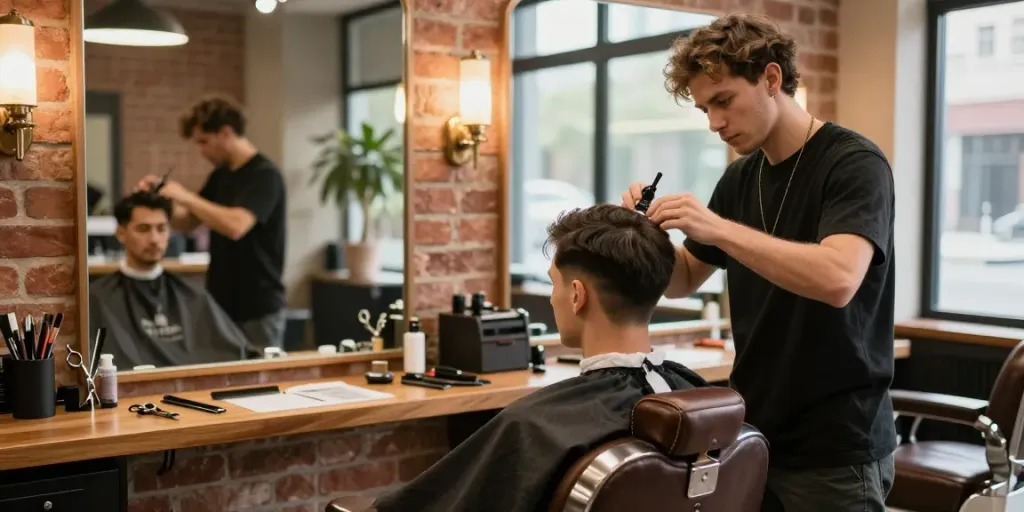
The Evolution of Grooming Services
Over the past decade, grooming services have transformed significantly, paralleling societal changes in self-expression, professionalism, and the concept of personal care. As more individuals recognize the importance of grooming not only for aesthetic appeal but also for mental well-being, establishments like barbershops and salons have evolved to meet these heightened expectations. In this context, rokok88 explores these emerging trends, highlighting the essential facets shaping the future of grooming services.
1. Trends Shaping the Future of Barbershops
The barbershop experience is no longer just about getting a haircut; it has morphed into a social haven where community engagement flourishes. Trends influencing this evolution include:
- Personalization: Customers now prefer tailored services that cater to their specific needs, leading barbers to adopt consultative approaches that prioritize individual style.
- Eco-Friendly Practices: There is a growing demand for sustainable grooming products, urging barbershops to incorporate eco-friendly tools and organic products.
- Tech Integration: From online booking systems to virtual consultations, technology is enhancing convenience, making the grooming experience more efficient.
2. The Importance of Professional Techniques
Professional grooming techniques are crucial for ensuring customer satisfaction and safety. Barbers and stylists who invest in continual education through workshops and certification programs can offer modern styles and effective techniques, keeping their skills sharp and relevant. Moreover, techniques such as precision cutting or advanced coloring can significantly impact the overall client experience.
3. Innovations in Grooming Products and Tools
The landscape of grooming products has witnessed remarkable advancements, with innovations designed to enhance performance and user experience. For instance, the rise of premium grooming tools, such as titanium blade clippers and ergonomic scissors, has improved the efficiency and quality of grooming services. Additionally, the development of specialized grooming products—like vegan shampoos and high-performance styling waxes—addresses the increasing consumer demand for quality and sustainability.
Understanding the Customer Experience
To thrive in the competitive grooming industry, understanding the customer experience is paramount. Barbershops must prioritize creating an inviting environment where clients feel valued and appreciated.
1. What Clients Look for in a Barbershop
Today’s customers are not just looking for a haircut; they are seeking an experience. Factors that play a crucial role in attracting clients include:
- Strong Atmosphere: A welcoming, well-designed space can significantly enhance the client experience. Music, decor, and the overall vibe contribute to a positive visit.
- Customer Engagement: Barbershops that foster community relationships through events or partnerships tend to see higher customer retention.
- Convenience: Offering flexible hours, integrated booking systems, and personalized communication improves customer satisfaction immensely.
2. Building Customer Loyalty through Exceptional Service
Exceptional service cannot be overstated when it comes to building customer loyalty. Simple gestures like remembering a client's name or their preferred style can create a lasting bond. Additionally, implementing customer loyalty programs offering discounts or exclusive services can encourage repeat visits.
3. Personalizing the Grooming Experience
Customization is key in today’s grooming industry. By understanding individual preferences and trends within their client demographic, barbers can provide a more tailored service, which enhances client satisfaction and promotes loyalty. Implementing feedback tools, such as post-visit surveys, can also help barbershop owners adapt their services to meet the evolving needs of their customers.
Best Practices for Barbershop Management
1. Effective Marketing Strategies for Success
In an industry driven by visual appeal and personal recommendations, effective marketing is essential for a barbershop's success. Embracing social media platforms can showcase style expertise and engage potential customers. Promotional offers, content marketing through grooming tips, and customer testimonials can also attract new clients.
2. Training and Development for Staff
Investing in staff training is crucial for maintaining high service standards. Regular workshops on the latest trends and techniques not only enhance the skill set of barbers but also keep them motivated. A well-trained team is more likely to deliver exceptional service, directly impacting customer satisfaction.
3. Creating a Unique Brand Identity
In a saturated market, establishing a unique brand identity can set a barbershop apart from competitors. This encompasses not only the visual aspects—like logos and color schemes—but also the values and mission of the business. Crafting a narrative that resonates with the target audience can boost brand allegiance.
Measuring Success in the Grooming Industry
1. Key Performance Metrics to Track
To gauge success, barbershop owners should monitor various key performance indicators (KPIs), including:
- Client Retention Rate: Understanding how many clients return can provide insights into satisfaction levels.
- Average Revenue Per Client: Tracking how much each client spends can help evaluate pricing strategies and service offerings.
- Engagement on Social Media: Higher engagement rates indicate brand visibility and customer interest.
2. Customer Feedback and Its Impact
Regularly collecting and analyzing customer feedback is vital for continuous improvement. Client reviews, whether positive or negative, can offer valuable insights into areas of service needing enhancement or recognition.
3. Adapting to Industry Changes
The grooming industry is dynamic, with trends and consumer preferences shifting frequently. Staying informed through industry publications, attending trade shows, and networking with peers can help barbershops remain relevant and competitive.
Future Trends to Watch for in Grooming
1. Sustainability in Grooming Practices
The increasing awareness surrounding environmental issues is influencing consumer choices. Barbershops are expected to adopt more sustainable practices, such as using biodegradable products and reducing waste.
2. The Role of Technology in Enhancing Services
From augmented reality applications allowing clients to visualize styles before committing to a haircut, to advanced inventory management systems that streamline operations, technology will continue to play a critical role in the evolution of grooming services.
3. Predictions for the Barbershop Landscape in 2026
As the grooming industry looks towards the future, we can anticipate a more integrated approach combining physical and virtual experiences. Expect to see a rise in hybrid barbershops that offer both traditional services and online consultations, further enhancing customer convenience.
What are the key trends in the grooming industry?
Key trends include personalization, eco-friendliness, and technological integration that enhance client experience and operational efficiency.
How can barbershops improve customer loyalty?
By providing exceptional service, fostering community engagement, and implementing loyalty programs, barbershops can enhance customer loyalty significantly.
What metrics should barbershops focus on for success?
Barbershops should monitor client retention rates, average revenue per client, and engagement levels on social media to measure success.
How is technology transforming grooming services?
Technology is streamlining appointment bookings, enhancing customer engagement through social media platforms, and providing innovative tools that improve service delivery.
What sustainable practices can barbershops implement?
Barbershops can reduce waste by utilizing eco-friendly products, optimizing inventory management, and promoting digital communication over paper usage.